Master passive physiological intervertebral movement (PPIVM) assessment and treatment techniques.
Why would we use PPIVMs when PAIVMs are so good at identifying spinal segments contributing to your patients’ pain and improving lumbar extension range?
Do PPIVMs add anything to your assessment and treatment?
When you’re assessing a knee, hip or shoulder, you’ll likely assess passive range of movement (ROM) e.g. hip flexion, internal and external rotation, to identify articular restrictions.
Similarly, in the lumbar spine, PPIVMs will help you assess the passive range of each joint and identify articular restrictions e.g. restricted flexion at L4/5 that’s contributing to painful forward bending.
PPIVMs are also an effective treatment for improving one of the most commonly painful movements - lumbar flexion, as well as patients’ lumbar lateral flexion and rotation ROM.
Watch this presentation now to develop a practical approach to PPIVMs, so you can confidently assess and treat segmental pain and stiffness, restricted lumbar movements and settle irritable low back pain and neurodynamic mechanosensitivity.
In this hands-on step-by-step demonstration video series, you’ll refine your clinical reasoning and treatment selection with PPIVMs—combining effective assessment and manual therapy techniques tailored to your patient’s presentation.
You’ll discover:
- How to confidently assess lumbar flexion, rotation and lateral flexion using PPIVMs
- Key bony landmarks and positioning tips for accurate and comfortable assessment
- Techniques to isolate and assess individual lumbar segments
- Simple ways to modify and tailor your assessment and treatment approach to match your patient's irritability and presentation
You’ll also learn how to:
- Identify the most symptomatic movement direction for targeted manual therapy
- Apply PPIVM techniques to reduce radicular or neurogenic pain
- Select and teach home exercises that complement your manual therapy treatment
- Use PPIVMs to bridge the gap between passive treatment and active rehabilitation
By the end of this session, you’ll have a versatile toolkit of PPIVM assessment and treatment techniques—ready to deliver precise, patient-specific care for low back pain.
Watch now and upgrade your manual therapy approach with practical, clinically relevant PPIVMs.
Part 1: PPIVM assessment
Learn how to perform passive physiological intervertebral movement (PPIVM) assessments for lumbar flexion, extension, rotation, and lateral flexion in sidelying.
Part 2: PPIVM grades of treatment
Discover how to apply rotation-based PPIVM techniques using Maitland grades 1–4, including setup tips and symptom monitoring during treatment.
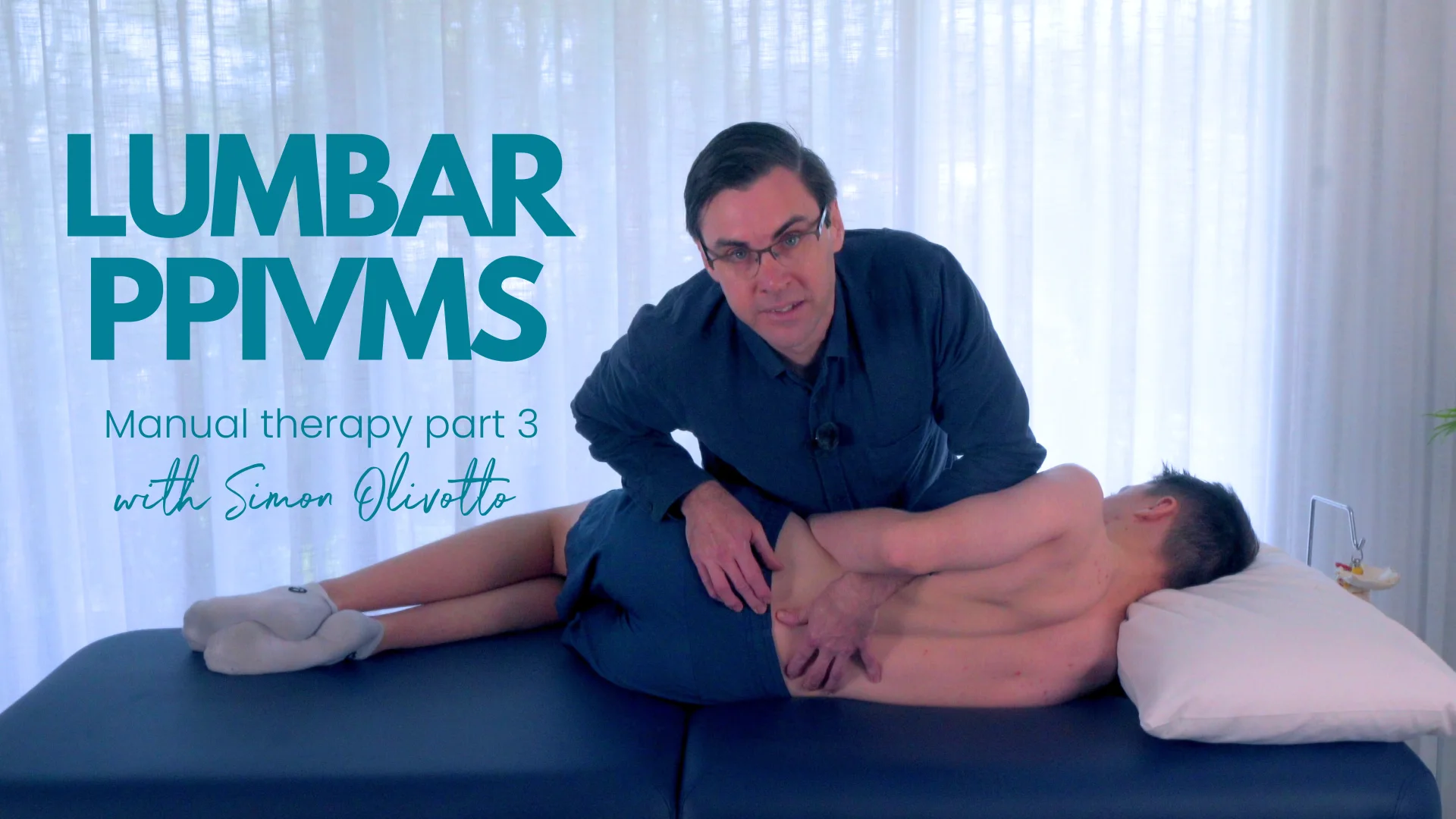
Part 3: How to treat low back pain using rotation PPIVMs
Explore lateral flexion PPIVM techniques with treatment-grade application, patient positioning, and therapist setup for optimal segmental targeting and patient comfort.
Part 4: Treatment using lateral flexion PPIVMs
See how to combine rotation and lateral flexion PPIVMs with table positioning to increase treatment specificity and address articular or neurogenic symptoms.
Part 5: Home exercises to match PPIVM treatment
Match PPIVM treatments with home exercise strategies, including lumbar rotation and lateral flexion mobility drills to reinforce clinic gains and reduce fear-avoidance.
Click here for your access, or login here if you're a Clinical Edge member.